

Blogs & News

How to Calculate the Real Return on a Property Investment in Kenya
When evaluating a plot or rental unit in Kenya, are you relying on vague promises that "the area will appreciate," or are you calculating every transaction fee, construction cost, and vacancy risk to find your net yield?
Calculating real estate ROI in Kenya requires adding all acquisition costs, capital expenditures, financing interest, and holding fees together before measuring net rental yields and inflation-adjusted resale values.
Regardless of your level of investment, running a comprehensive property investment financial calculation protects your capital from hidden cash leaks while keeping your money active.

The Diaspora Property Trap: Why Sending Money to Family Is Not a Property Investment Strategy
If you are wiring millions of shillings based on a relative’s word that a plot is clean, how do you prove that your money is actually securing a valid title deed rather than funding a family member's personal expenses?
Relying on family connections without independent legal checks creates significant financial exposure to risks in diaspora property investments.
As a Kenyan in the diaspora looking to invest back home, you must understand that sending investment money to family is not a viable strategy because it replaces professional verification with emotional trust.
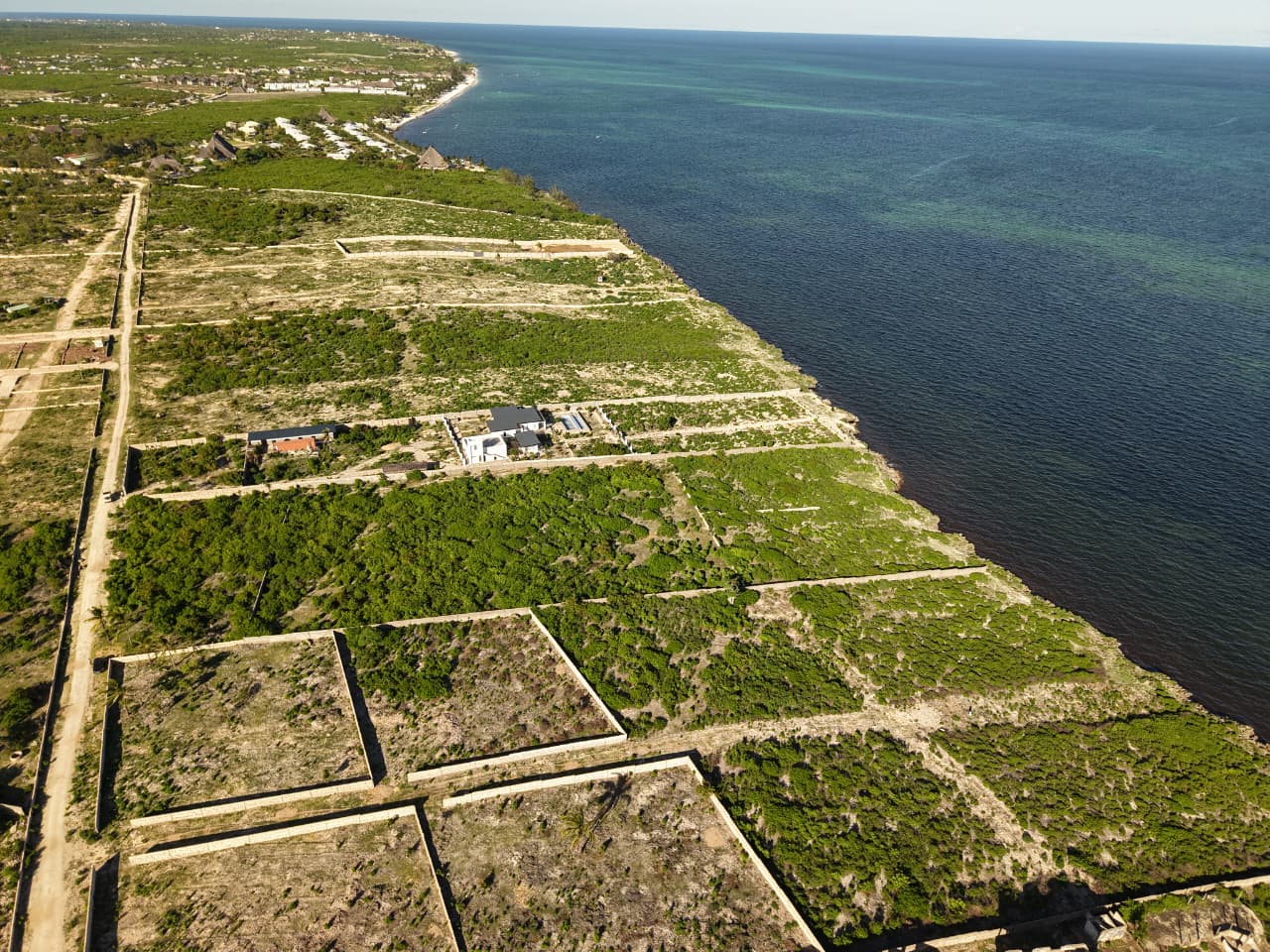
Buying Property in Kenya from the Diaspora: How to Invest Without Being Physically Present
If you are wiring millions of shillings from abroad to purchase land in Kenya, how do you prove that the parcel actually exists and that the seller holds a genuine title deed?
Successful diaspora property investment in Kenya relies on independent legal verification, digital land searches via Ardhisasa, third-party site inspections, and controlled power-of-attorney protocols.
Thus, adopting a disciplined framework for remote real estate investing eliminates information asymmetry and protects your hard-earned capital from costly fraud.

How Much Land Do You Actually Need to Build Wealth in Kenya? Finding Your Profitable Land Size
Why do so many land buyers in Kenya tie up millions of shillings in vast, unserviced acreage that yields zero income when a single urban plot could generate immediate, recurring wealth?
Effective land wealth building depends on land utility, strategic location, and development yield. Not sheer geographical size.
Hands down, matching your financial strategy to a profitable land size protects your capital from heavy holding costs while positioning your portfolio for maximum capital growth.
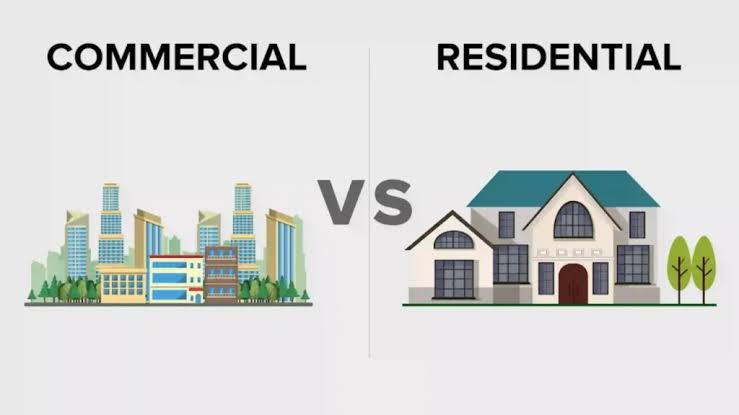
Should You Buy Land, a House, an Apartment, or Commercial Property? A Strategic Comparison
If you have capital ready to deploy in Kenya today, how do you determine whether buying raw land or acquiring a rent-yielding apartment builds wealth faster?
Choosing among raw land, residential homes, apartments, commercial buildings, agricultural plots, or hospitality real estate requires aligning your investment horizon with capital availability and cash-flow targets.
In addition, conducting a rigorous property-type comparison unlocks high-yield real estate investment strategies that protect your capital while positioning your portfolio for maximum asset growth.
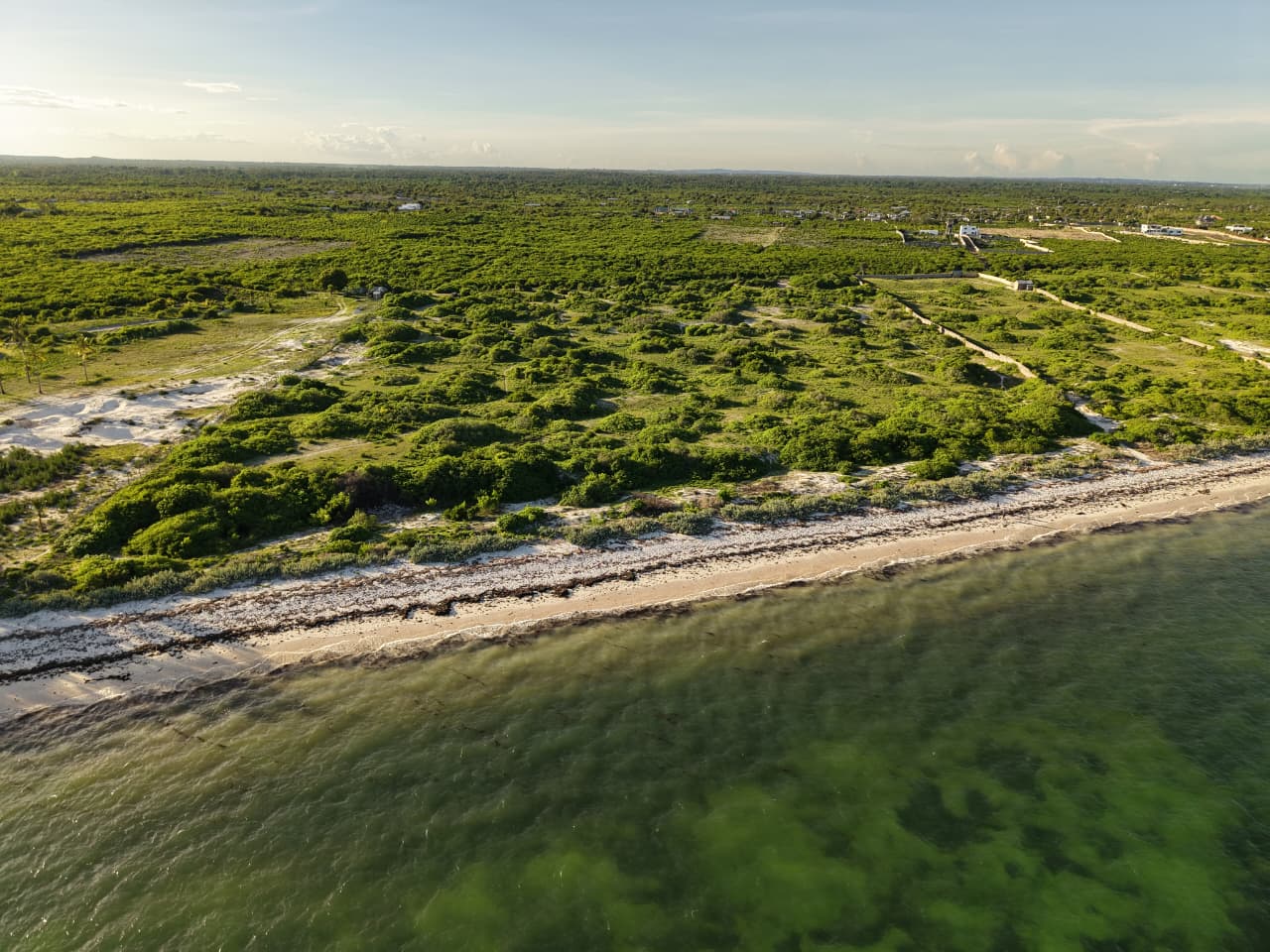
Land Appreciation in Kenya: What Actually Makes Property Prices Rise?
Why does raw land in a quiet trading center suddenly surge in value over five years, while a plot just a few kilometers off the main road sits at the same price for a decade?
Land appreciation in Kenya is driven by a compounding chain reaction: public infrastructure expansion, commercial activity, population inflow, heightened buyer demand, and physical land scarcity.
Understanding the core property value drivers in Kenya protects your capital from speculative marketing hype and ensures that your investments generate true wealth.
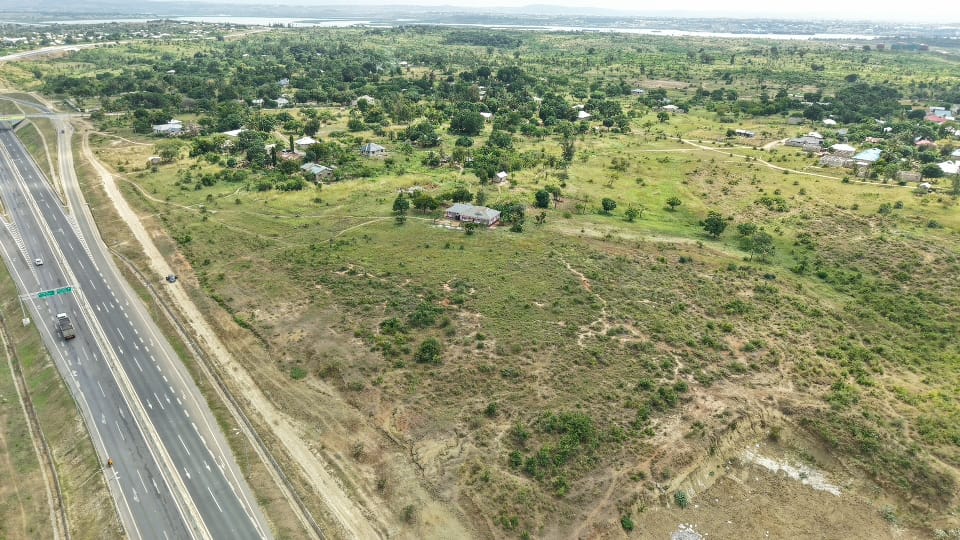
Cheap Land vs. Valuable Land: Why the Cheapest Acre Is Often Not the Best Investment
Is the cheapest plot you can find in Kenya really the best investment – or is the low price telling you something you have not discovered yet?
Truthfully, a KES 500,000 parcel in an unserviced hinterland often destroys capital, whereas a KES 5,000,000 plot in an active development corridor yields immediate wealth. Real land investment value depends on access roads, utility grid connections, zoning laws, and tenant demand. Not price per acre.
Thus, evaluating land investments requires looking past initial purchase price discounts to analyze long-term utility, infrastructure access, and market liquidity.

Buy Land in Kenya in 2026: The Ultimate Location & Economic Growth Roadmap
What makes one piece of land in Kenya double in value over three years while another plot just ten kilometers away stays completely stagnant?
Choosing where to buy land in Kenya in 2026 requires evaluating five core growth drivers: major transport infrastructure, population expansion, local economic activity, water and power grid access, and county zoning bylaws.
Read through Kenya land investment guide to protect your capital from speculative traps and position your portfolio in high-yield growth corridors.

How to Spot a Fake Title Deed in Kenya: The Ultimate 10-Step Verification Blueprint
If a land seller hands you a stamped paper title deed that looks completely legitimate, how do you prove it isn't a high-quality forgery designed to steal your life savings?
Verifying a title deed requires a 10-point audit, which spans physical paper inspection, digital search on ArdhiSasa, manual land registry confirmation, seller identity matching, encumbrance checks, boundary survey alignment, and county clearance verification.
Performing rigorous, genuine title deed checks before transferring funds protects your capital, confirms ownership rights, and eliminates the risk of buying contested or non-existent property.
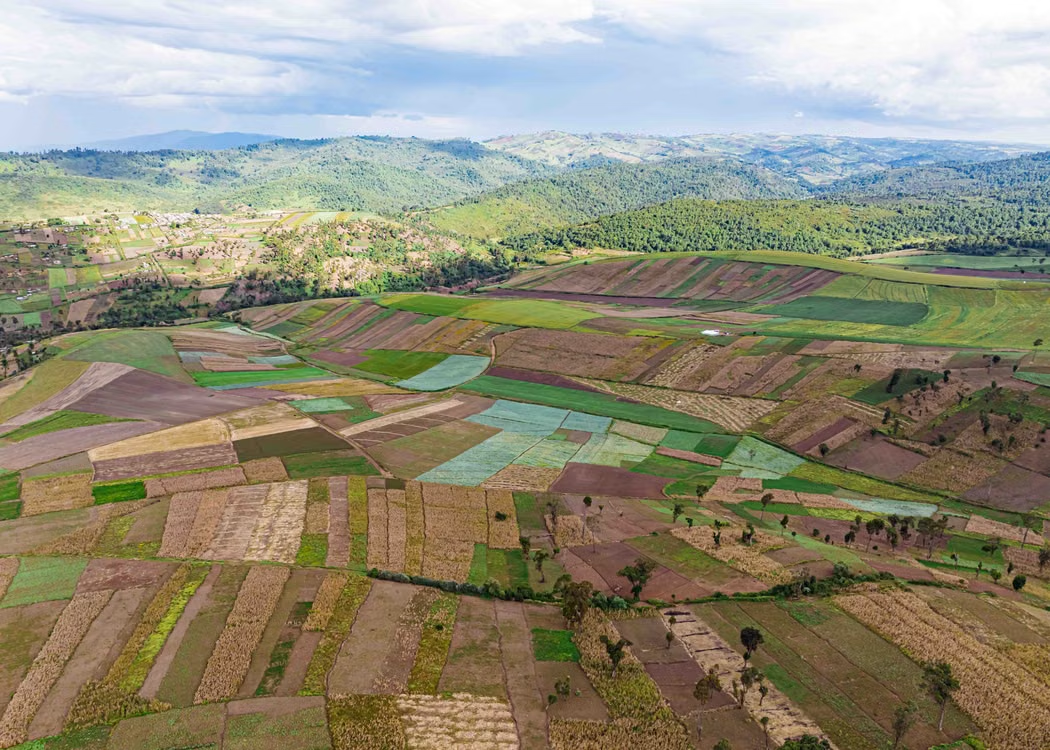
How Do You Buy Land in Kenya Safely? A Step-by-Step Due Diligence Blueprint
If someone handed you a genuine-looking title deed in Nairobi today, would you know how to prove that the seller actually owns the land before you wire your hard-earned money?
Buying land in Kenya safely requires a strict ten-step verification roadmap: seller identity validation, official ArdhiSasa search, registry search, physical ground survey, boundary verification, zoning check, access road confirmation, professional valuation, legal agreement execution, and title transfer.
Navigating this land purchase checklist protects your capital, eliminates title fraud, and transforms raw acreage into a secure, wealth-generating asset.

Land vs. Apartments: Which is the Better Investment?
For decades, the Kenyan investor’s mantra was simple: buy land. But with the rise of furnished apartments offering instant rental income, the old debate has resurfaced: Is raw land still king, or do apartments now offer a smarter path to wealth?
The answer depends entirely on your financial goals and timeline.
Land
Land is the ultimate long-term play. Its value lies in appreciation and scarcity; they aren’t making more of it. Historically, strategic land in growth corridors like Ruiru, Kitengela, or along new highways has delivered exponential returns, often doubling in value within a few years. However, land generates zero cash flow while you wait. You pay rates, legal fees, and security costs, but receive no monthly cheque. It’s a patient person’s game, ideal for those building generational wealth.
Apartments
Apartments win on cash flow. A well-located unit in Kilimani, Westlands, or even Thika Road can deliver rental yields of 5% to 10% annually. You get a monthly income stream that covers your mortgage and puts money in your pocket. Furthermore, with entry prices as low as KSh 2 million for studio units in upcoming areas, apartments are more accessible to the average salaried investor than a multi-million-shilling plot.
The Verdict
Choose land if you have a long horizon (7- 10+ years), don’t need immediate income, and can afford to wait for infrastructure development to unlock value. Choose an apartment if you need a monthly cash flow, want lower entry costs, or prefer a tangible asset that pays for itself.
The smartest investors, however, don’t choose. They use apartments to generate income that services the loan for a strategic piece of land. One feeds your present; the other secures your future. Both are valid, but only one pays your bills today.
How to Invest in Real Estate with a Small Budget
The biggest myth in Kenyan real estate is that you need millions to start. The truth? With as little as KSh 50,000, you can plant your flag in property investing. You need to be strategic.
Start with REITs (Real Estate Investment Trusts)
Think of REITs as buying "shares" in buildings. For as low as KSh 5,000, you can invest in a portfolio of professional properties, offices, malls, or hotels, and earn dividends. The Acorn Student Accommodation REIT and the newly listed ILAM Fahari I-REIT allow small investors to benefit from real estate without owning a single brick. It’s the stock market approach to land.
Land Banking via SACCOs and Groups
You don't have to buy an acre alone. Join a registered investment group (chama) or a SACCO with a land-buying scheme. For KSh 10,000 monthly, you can accumulate shares and eventually own a portion of a large plot. Once the group subdivides, you walk away with your own title deed. This spreads risk and lowers the entry barrier dramatically.
The "Fixer" Strategy on a Tiny Scale
Forget luxury villas. Look for a studio or bedsitter in an upcoming area like Ruiru or Syokimau. With savings of KSh 150,000-200,000, you can renovate an older unit, fresh paint, new tiles, a modern kitchen, and raise the rent or resale value instantly. This sweat-equity strategy works because small improvements yield high percentage returns.
Buy First, Live Later
Purchase an affordable plot in a developing satellite town where you don't plan to live immediately. Let it appreciate as roads and schools arrive. Meanwhile, you rent cheaply closer to work. You're letting your land work for you while you live below your means.
Key Takeaways
Small capital doesn't mean small dreams. REITs, chamas, and strategic renovations allow you to start today. The worst investment is waiting until you have "enough", because enough never comes. Start small, stay consistent, and watch your tiny seed grow.

Investing in Malindi: Where Tourism Fuels Property Growth
Malindi is more than a coastal town it’s a destination built on centuries of global significance.
Dating back to 1498, when Vasco da Gama arrived and established ties with the Sultan of Malindi, the town became a gateway between continents. This early connection placed Malindi on the global map as a center for trade, culture, and exchange.
Today, landmarks like the Vasco da Gama Pillar continue to attract international visitors, reinforcing Malindi’s identity as both a historical and tourism hub.
This rich heritage directly contributes to the town’s growing real estate value. Tourism drives demand for:
Holiday homes
Beachfront apartments
Short-term rental investments
With consistent international interest, especially from European markets, Malindi offers a unique advantage a location backed by history and sustained by tourism.
For investors, this means more than just property ownership.
It’s an opportunity to be part of a destination that has been relevant for over 500 years and is still growing.
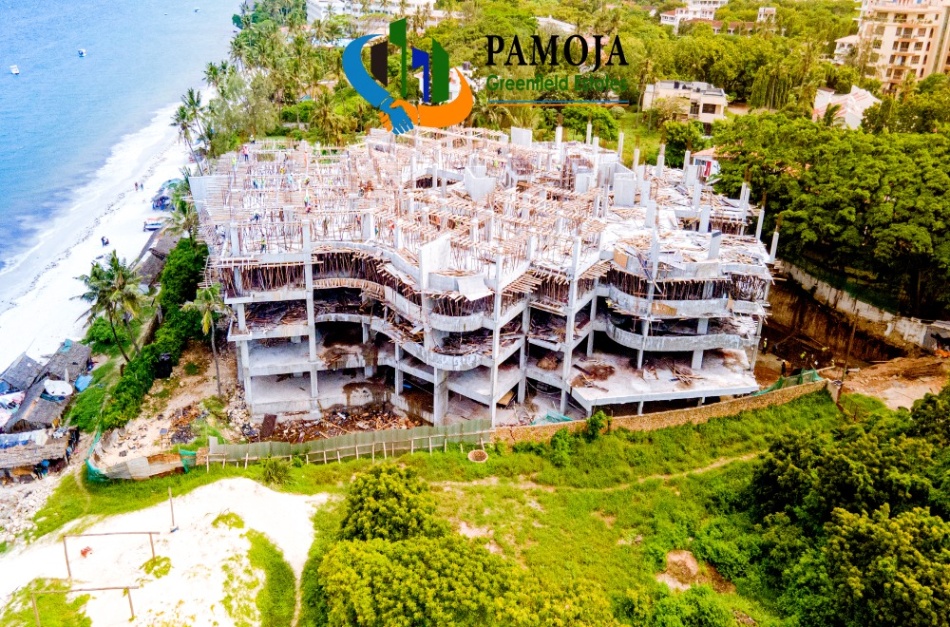
How to Buy Property in Kenya: A Step-by-Step Guide
Buying property in Kenya is one of the most rewarding investments you can make whether for building your dream home, farming, or long-term appreciation. However, the process must be handled carefully to ensure your ownership is secure and legally recognized.
Step 1: Conduct an Official Land Search
Before committing to purchase, carry out an official search at the relevant Lands Registry. This confirms:
- The registered owner of the property
- The size of the land
- Any encumbrances (charges, caveats, disputes)
- Tenure (freehold or leasehold)
Depending on the property, a more detailed historical search commonly known as a Green Card search may also be necessary to review past ownership records.
This step protects you from fraud and ensures the seller has legal authority to sell the property.
Step 2: Prepare the Sale Agreement
Property transactions in Kenya must legally be in writing. A Sale Agreement outlines:
- Purchase price
- Payment terms
- Property details
- Completion timeline
- Obligations of both buyer and seller
The agreement must be prepared and stamped by a qualified advocate to make it legally binding and enforceable.
Step 3: Obtain Required Consents
Some properties require consent before transfer can proceed. These vary depending on the type and location of land. For example:
- Agricultural land requires Land Control Board Consent
- Leasehold property may require Lessor’s Consent
- Company-owned land may require Board Resolution
These consents must be obtained before transfer documents can be processed.
Step 4: Pay Stamp Duty
Stamp Duty is a government tax paid when transferring property ownership. The amount payable is based on the government valuation of the property:
- 4% for property within municipalities
- 2% for property in rural areas
- Payment must be completed before registration of transfer.
Step 5: Obtain Clearance Certificates
Before transfer, clearance certificates may be required, including:
- Land Rates Clearance Certificate (County Government)
- Land Rent Clearance Certificate (National Government)
- Consent to Transfer (if applicable)
These confirm that there are no outstanding payments on the property.
Step 6: Lodge Transfer Documents
Once all requirements are met, transfer documents are lodged at the Lands Registry. Required documents typically include:
- Original Title Deed
- Signed Transfer Forms
- Sale Agreement
- Copies of Buyer & Seller IDs
- KRA PIN Certificates
- Passport Photos
- Spousal Consent Affidavit (if applicable)
- Stamp Duty Payment Receipt
- Clearance Certificates
After lodging and payment of registration fees, the transfer process typically takes 2 weeks to 3 months.
Final Step: Confirm Ownership
After registration, always conduct a final search to confirm the title has been successfully transferred into your name.
This is the final confirmation that you are the legal owner.
Why Work With Professionals?
Buying property is a legal process that must be handled correctly. While some buyers attempt to do it independently, it is highly recommended to work with:
- A licensed real estate agent
- A qualified property advocate
- A registered surveyor (if needed)
Only a licensed advocate can legally prepare property transfer documents and offer legal advice.
Buy Verified Property with Pamoja Greenfield Estates
At Pamoja Greenfield Estates, we guide you through every step of the property buying process from verified listings and due diligence to documentation and transfer.
We ensure:
- Verified titles
- Transparent pricing
- Professional guidance
- Smooth transfer process
- Secure investment

Top Upcoming Real Estate Investment Areas in Kenya in 2026
The Kenyan real estate market entered a phase of "cautious confidence" in 2026, with developers shifting focus from speculative projects to those backed by clear demand fundamentals. Several key areas have emerged as genuine hotspots for savvy investors.
1. Eastlands, Nairobi; Retail Revival
Eastlands is experiencing a significant retail transformation. The ongoing construction of the KSh 400 million Manyanja Mall, featuring anchor tenants such as Quickmart, Rubis, and Goodlife Pharmacy, underscores the strong demand for modern commercial hubs in high-density areas. With about 80% of retail space already pre-leased and completion set for August 2026, this area offers compelling opportunities in neighbourhood retail and mixed-use developments.
2. Ruiru and Kiambu; Residential Hotspot
The northern corridor continues to dominate residential growth. Superior Homes Kenya is developing "The Orchards at Northlands," a KSh 3 billion project in Ruiru featuring 130 townhouses and villas. A stark reality backs this investment: Kenya needs approximately 260,000 housing units annually but delivers fewer than 60,000, creating sustained demand for organised, well-planned estates near Nairobi.
3. Tatu City and Tilisi; Logistics & Industrial
The logistics sector is Kenya's quiet winner. ALP Industrial REIT recently raised KSh 3.82 billion in the country's first logistics-focused REIT listing, with 98.5% subscription. The seed assets are warehouse parks in Tatu City and Tilisi, serving manufacturers and e-commerce operators expanding near Nairobi's transport corridors. Institutional confidence in these locations is now undeniable.
4. Emerging Nodes; Murang'a, Dongo Kundu & Diani
Beyond Nairobi, several areas are attracting significant investment. Murang'a Industrial Park has already approved 27 investors for agro-processing and manufacturing on 800 acres. The Dongo
Kundu Special Economic Zone along the coast is signing lease agreements with logistics and trade investors. Meanwhile, Diani Beach will see a 400 - 500 unit luxury mixed-use development by CityBlue Hotels, signalling confidence in coastal real estate.
Key Takeaway
The most promising investments in 2026 are those anchored in infrastructure development, population growth, and verified demand. Whether retail in Eastlands, residential in Ruiru, or industrial in Tatu City, success now requires careful due diligence and a focus on areas with clear, government-backed catalysts for growth.
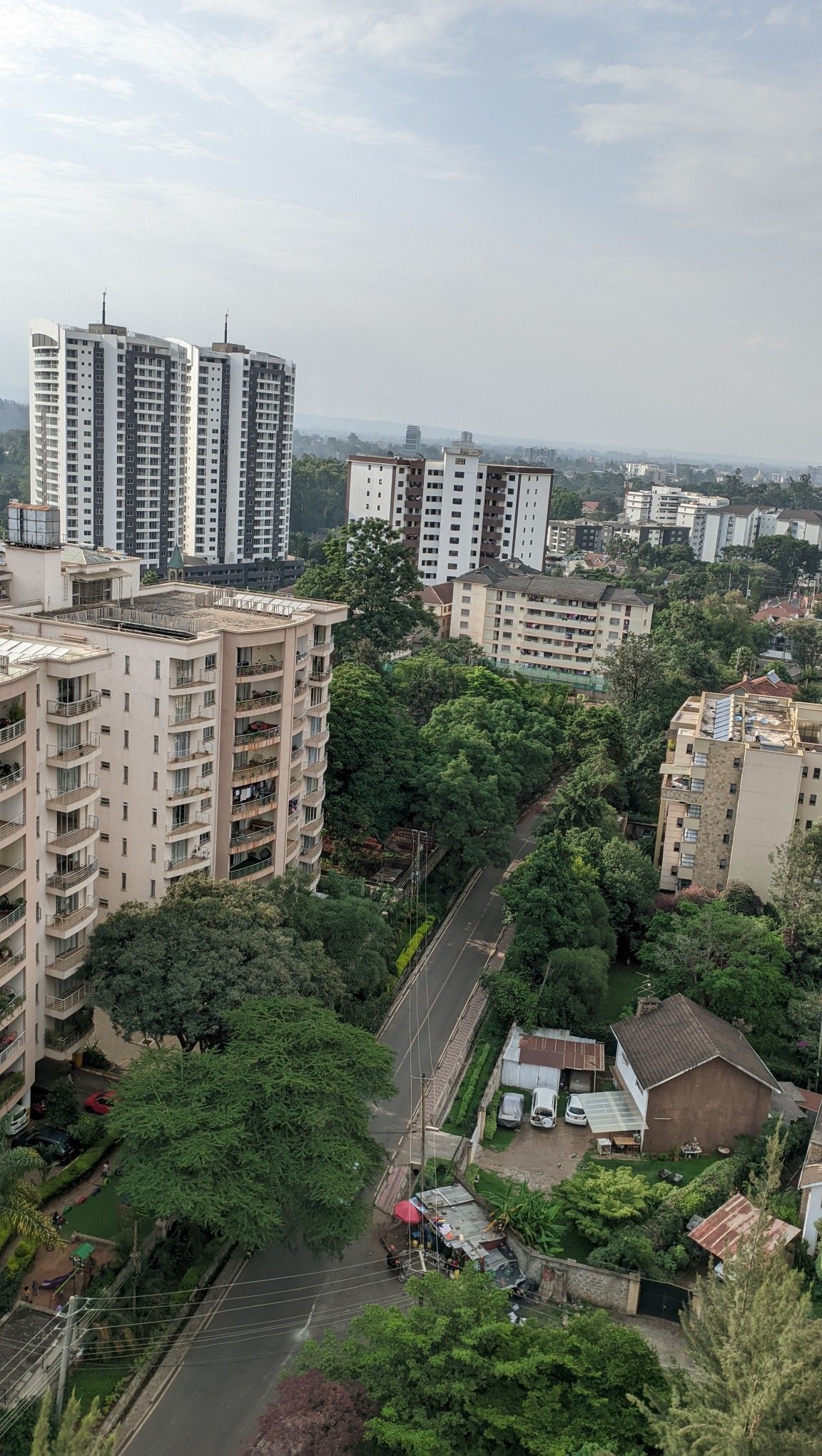
Why It’s Important to Buy Land Through a Property Agent in Kenya
Investing in land is one of the most rewarding decisions you can make in Kenya today. Whether for development, farming, speculation, or building your dream home, land remains a high-value asset. However, the process of acquiring land can be complex, risky, and time-consuming if not handled properly. This is why working with a professional property agent is not just advisable it’s essential.
1. Protection from Fraud and Scams
Land fraud is one of the most common challenges in Kenya’s real estate sector. Cases of fake title deeds, double selling and illegal land transactions are widespread. A qualified property agent helps you verify ownership, confirm authenticity of documents and ensure due diligence is properly done. This significantly reduces your risk of falling into costly traps.
2. Proper Due Diligence
A good property agent understands the legal and procedural steps involved in land acquisition. They will guide you through:
- Title deed verification
- Land search at the Ministry of Lands
- Checking zoning and land use regulations
- Confirming access roads and utilities
This ensures you are not just buying land, but buying legitimate and usable land.
3. Access to Verified Listings
Property agents have access to a wide network of landowners, developers and verified listings. Instead of wasting time searching blindly, they connect you directly to genuine opportunities that match your budget and needs. This saves you time and increases your chances of getting value for your money.
4. Negotiation Advantage
Experienced agents understand market prices and trends. They help you avoid overpaying and can negotiate better deals on your behalf. In many cases, the savings you make through proper negotiation can outweigh the agent’s commission.
5. Legal Guidance and Documentation
Land transactions involve contracts, agreements and legal paperwork that must be accurate and binding. A property agent works closely with lawyers and ensures all documentation is in order from offer letters to sale agreements protecting your interests throughout the process.
6. Local Market Knowledge
Different regions in Kenya have different growth potentials. An agent provides insight into:
- High-growth areas
- Infrastructure developments
- Investment hotspots
- Future land appreciation trends
This helps you make a strategic investment rather than an emotional one.
7. Smooth and Hassle-Free Process
Buying land can be overwhelming, especially for first-time buyers. A property agent manages the entire processfrom property identification to closing the deal making the experience smooth, efficient and stress-free.
8. Post-Purchase Support
Reliable agents don’t disappear after the sale. They often assist with:
- Land transfers
- Title processing
- Connecting you with surveyors,developers, or contractors
This continued support ensures your investment journey remains on track.
Conclusion
Buying land in Kenya is a major financial decision that should not be taken lightly.While it may be tempting to deal directly with sellers,the risks involved are significant. A professional property agent acts as your guide, protector and advisor ensuring your investment is secure,legitimate, and profitable.
In real estate,information and trust are everything. And a reliable property agent gives you both.
If you’re serious about owning land in Kenya,don’t just buy land,buy it the right way.

Is Buying Land Still the Best Investment in Kenya?
For generations, one piece of financial advice has been repeated across Kenya: “Invest in land. They aren’t making it anymore.”
In Kenya, this isn’t just a popular saying, it’s a deeply rooted belief about wealth creation. From the busy matatu stages of Nairobi to the quiet countryside, owning land has long symbolized financial security and long-term success.
But as we move through the economic realities of 2026, things are changing. Inflation is eating into savings, new investment options are emerging, and younger investors are exploring alternatives like money market funds and stocks.
This raises an important question: Is buying land still the best investment in Kenya, or is it time to rethink this long-held belief?
The answer is not simple. Land is still one of the most powerful long-term investments in the country, but the rules of the game have changed. Success today requires strategy, patience, and careful due diligence.
Why Land Remains a Powerful Investment in Kenya
Despite changing economic conditions, land continues to deliver impressive returns.
According to the Hass Land Index Q3 2025, a person who invested KSh 1 million in land in Nairobi’s satellite towns in 2007 would see that investment grow to about KSh 13.23 million today. That represents more than a 13-fold increase in value.
When compared with other assets over the same period:
KSh 1 million invested in Nairobi’s traditional suburbs would grow to around KSh 7.4 million
The same amount invested in government bonds would grow to roughly KSh 4.75 million
These numbers highlight why land has historically been such a powerful wealth-building tool in Kenya.
Several factors continue to drive this growth:
Rapid Urbanization
Kenya’s urban population is expanding at roughly 4% per year, increasing demand for housing and land around major cities.
Infrastructure Development
Major projects like the Nairobi Expressway and the Standard Gauge Railway (SGR) have dramatically increased land values in surrounding areas.
Protection Against Inflation
Unlike money in a savings account, land tends to appreciate over time, making it a strong hedge against inflation.
Another advantage is that raw land requires minimal maintenance. Unlike rental property, you don’t need to deal with tenants, repairs, or constant management. Many investors simply buy and hold land while its value appreciates over time.
The Risks of Land Investment
While land can be highly profitable, it is not without significant risks.
The biggest concern in Kenya’s real estate market is fraud.
A 2023 report by the Land Development and Governance Institute (LDGI) found that 61% of land transactions in Kenya are affected by legal disputes. These disputes often involve:
- Fake title deeds
- Double selling of plots
- Land ownership conflicts
- Collusion between brokers and corrupt officials
Because of these risks, buying land can sometimes feel like navigating a legal minefield.
Location also plays a critical role in determining whether land becomes profitable. A cheap plot in a remote area with no roads, electricity, or water access may take decades to increase in value.
Political uncertainty can also affect the market. For example, land transactions often slow down during election periods. As the country approaches the 2027 General Election, some investors are adopting a wait-and-see approach.
Another challenge is liquidity. Land is not easy to sell quickly. Unlike stocks or money market funds, finding a buyer may take months, or even years.
Land vs Other Investment Options in Kenya
For many years, land had little competition as an investment. Today, however, Kenyans have access to several alternative financial instruments.
Stocks (NSE)
Investing in companies listed on the Nairobi Securities Exchange (NSE) can offer high returns. However, stocks are also highly volatile.
Historically, the NSE has averaged returns of about 5–7%, and in some years it has struggled to keep up with inflation.
Government Bonds
Government bonds are among the safest investments available in Kenya. Current yields range between 9% and 14% depending on the bond.
They offer stable and predictable returns, but they rarely deliver the dramatic long-term growth that land can achieve.
Money Market Funds (MMFs) and Unit Trusts
Money market funds have become extremely popular in recent years because they are:
- Easy to access
- Highly liquid
- Low risk
Some funds allow investors to start with as little as KSh 500, and withdrawals can often be made within 24 to 48 hours. Returns typically range between 8% and 12% per year.
These investments are excellent for short-term savings, emergency funds, and diversification.
However, when it comes to long-term wealth creation, strategically located land has historically delivered far greater returns.
The Verdict: Land Is Still Powerful, But Strategy Matters
So, is buying land still the best investment in Kenya?
The truth is that land remains one of the most powerful long-term investment assets, but it is no longer a guaranteed path to wealth. Today’s investors must be more informed and strategic.
Successful land investors often focus on three key principles:
- Target Growth Areas
- Look for emerging satellite towns such as Ruiru, Juja, and Kitengela, where infrastructure development and population growth are increasing demand.
- Conduct Proper Due Diligence
Before buying land, it is essential to:
- Conduct an official search at the Ministry of Lands
- Verify the title deed with a qualified lawyer
- Visit the physical location of the land
- Work only with registered and reputable estate agents
Think Long Term
Land is not a get-rich-quick investment. It rewards patience. Investors who hold land through economic and political cycles are often the ones who benefit the most.
Final Thoughts
For Kenyans with a long-term vision, available capital, and the patience to conduct proper research, land remains one of the strongest vehicles for building generational wealth.
However, modern investors are increasingly combining land investments with other financial assets such as money market funds, bonds, and stocks to create more balanced portfolios.
In today’s economic environment, the smartest strategy may not be choosing between land and other investments, but learning how to use all of them together to build long-term financial security.

Stay Updated on New Properties
Subscribe to our newsletter and be the first to know about new listings, market trends and exclusive offers.